@cinnamon@kitten I read it as NYC, Paris, Barcelona all have numbered lines, easy to work with and talk about across many languages.
London has these named lines, not just hard to work with, but asserting monarchy, historical battles, and other things that are actually socially difficult if not just difficult across many languages.
@dee@cinnamon exactly, this is what I meant. although I was talking specifically on the practicality of it, if one has to say/remember complicated connections. and I don't even wanna know how do the signage looks like there.
@kitten@dee Remember connections? Absolutely not! You look at the map every time. It's the most intuitive way (not joking!). And if your trip happens in the central part of the map (around Circle line, it's even easier).
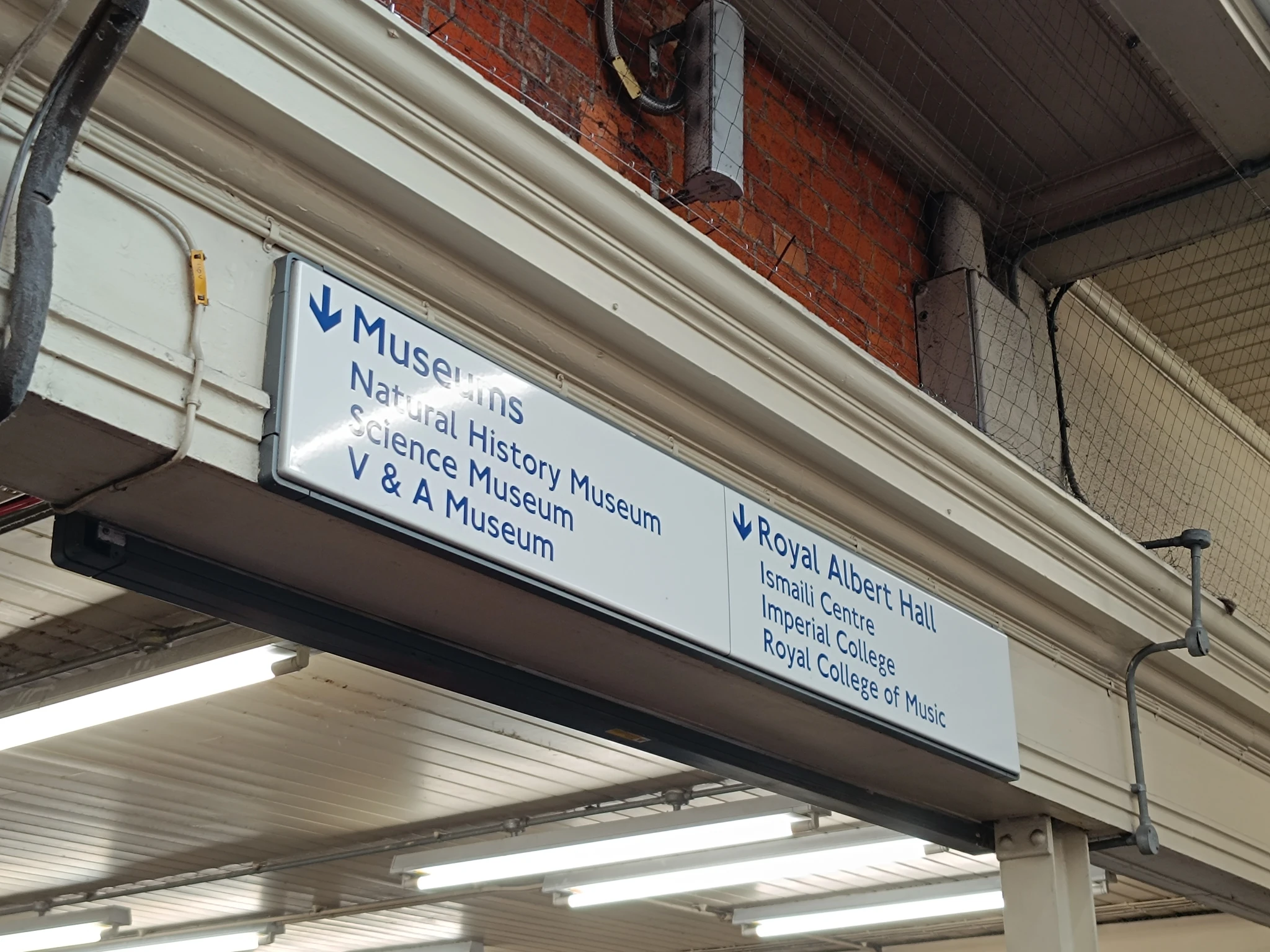
Oh, and signage here is a breeze. London tube is way easier to navigate (especially station entries/exits) than the New York metro, for instance. Something I especially like is that you tube exits (the public access part, not the after-barriers part) usually connect different parts of complex road intersections, and can even be used as a convenient underpass by pedestrians.
@dee@kitten "Léstah squé-éah?" (my poor attempt at Spanglish pronunciation while trying to add posh accent). And the other I don't know, "Mérilboun", I guess.
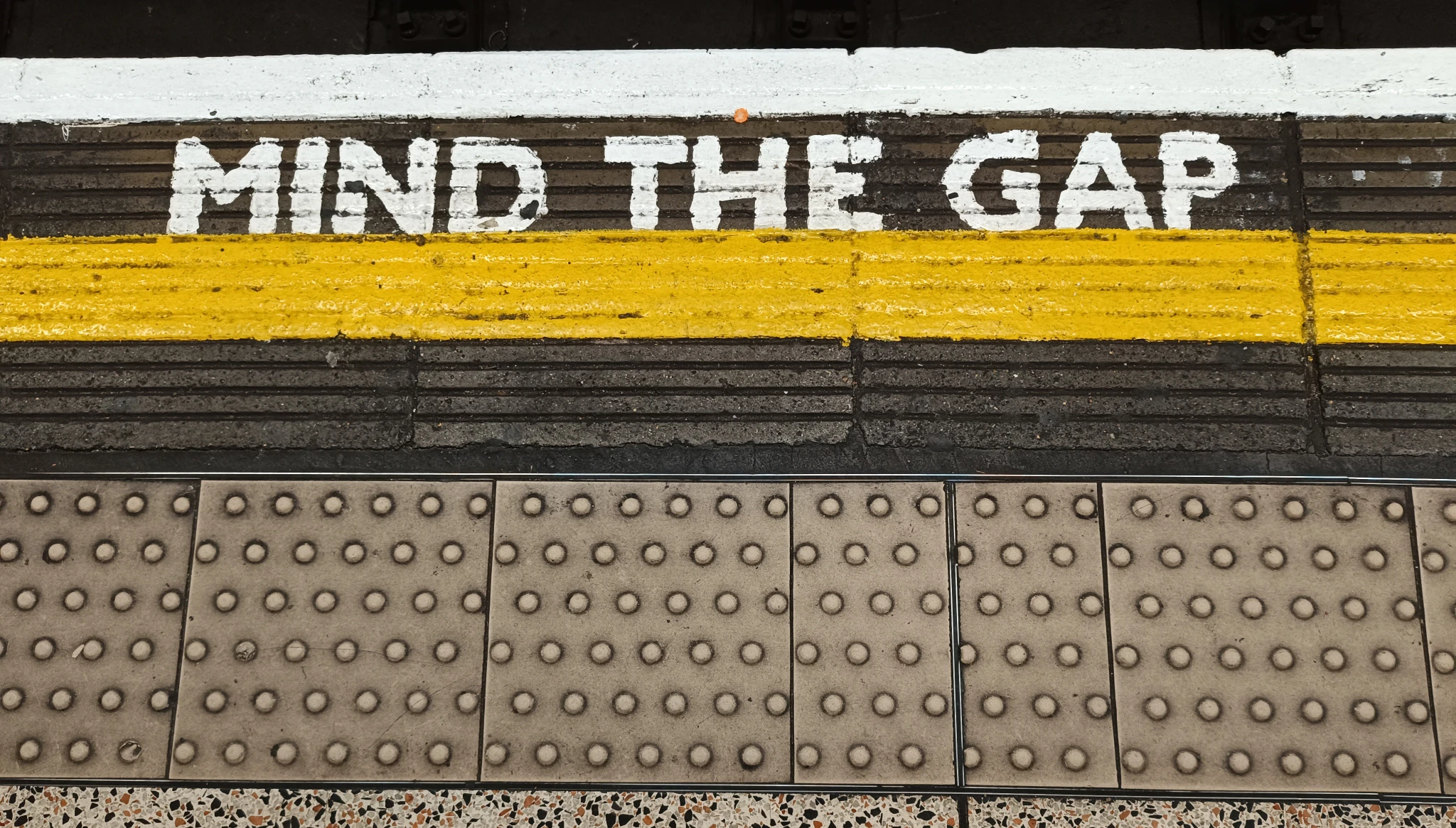
Oh, btw, and I almost forgot to remind you to... (see picture)
@cinnamon@kitten the gap is real at bank station on the west bound central line, which is one of the most curved platforms on the network. It's the one usually in films where they want a camera angle to capture the faces of folk at different places on the platform.
@cinnamon@dee that's not the issue, it's the simplicity of the design. the way it's done in Barcelona makes possible to show the indications all over the platform. and the original debate was regarding the line naming, if you give just a number to each line, you can display indications that easily
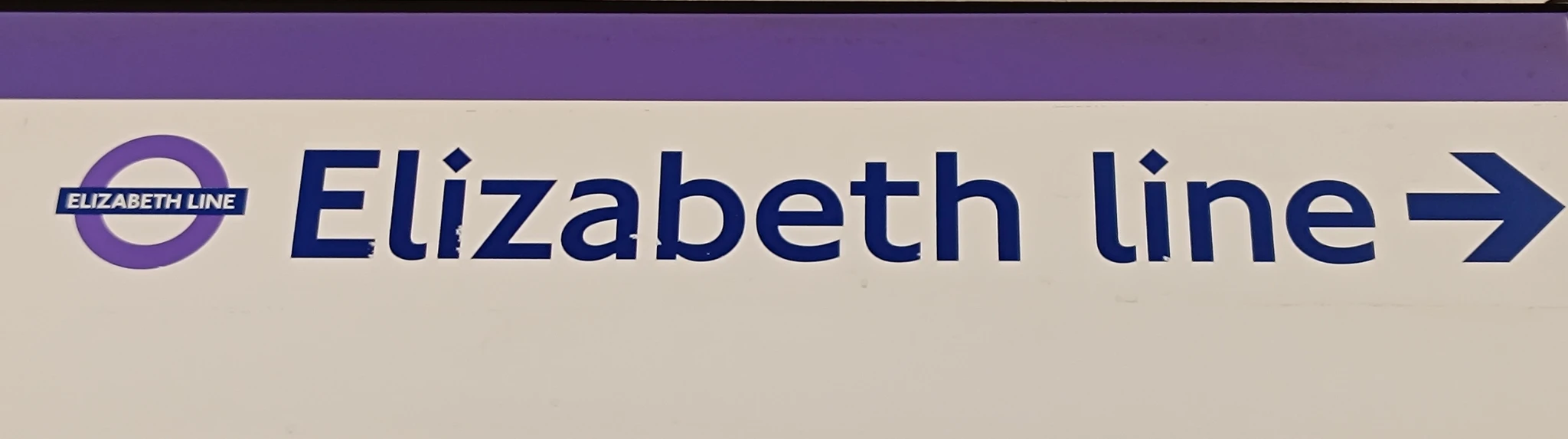
@kitten@cinnamon and if we went with chronological date of opening (ignoring a few mergers and acquisitions along the way) then based on the london museum the lines should be: 1 = Metropolitan (1863) 2 = Hammersmith & City (1864) 3 = District (1868) 4 = Circle (1884) 5 = Northern (1890) 6 = Waterloo & City (1898) 7 = Central (1900) 8 = Bakerloo (1906, March) 9 = Piccadilly (1906, December) 10 = Victoria (1968) 11 = Jubilee (1979) 12 = Elizabeth (2022) 13 = intentionally left blank 14 = Windrush (2024 - merger and rename)


 1
 )