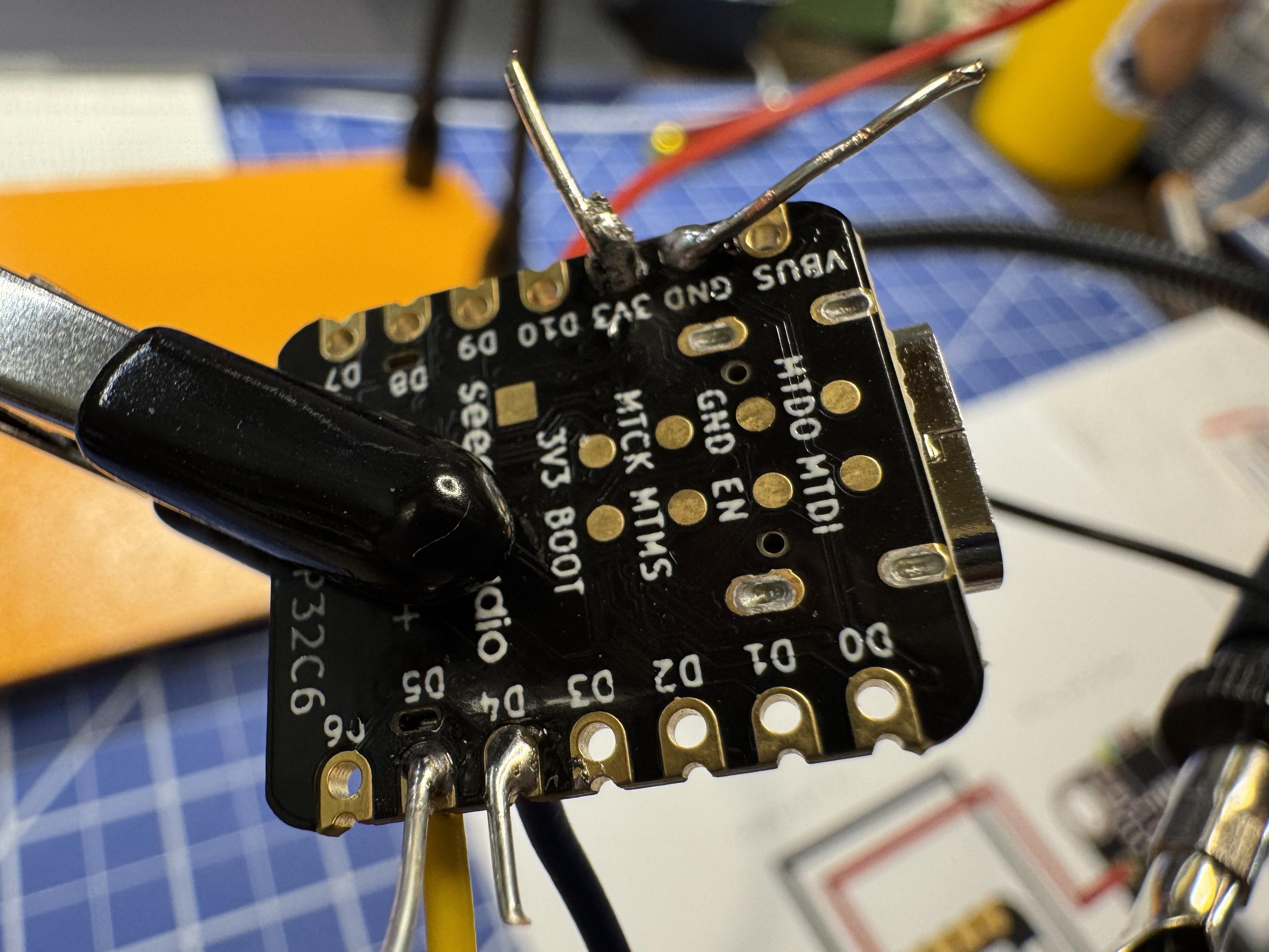
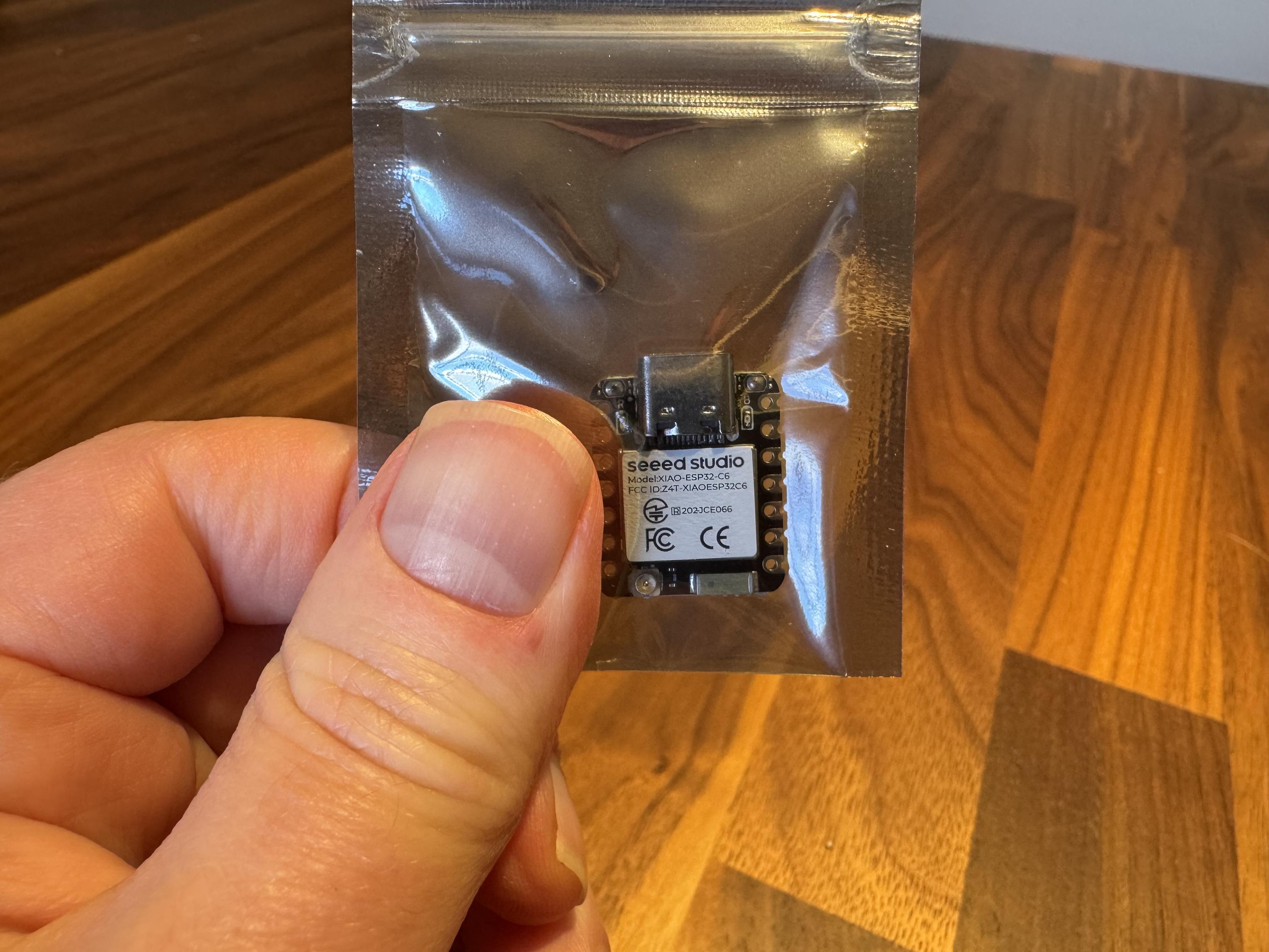
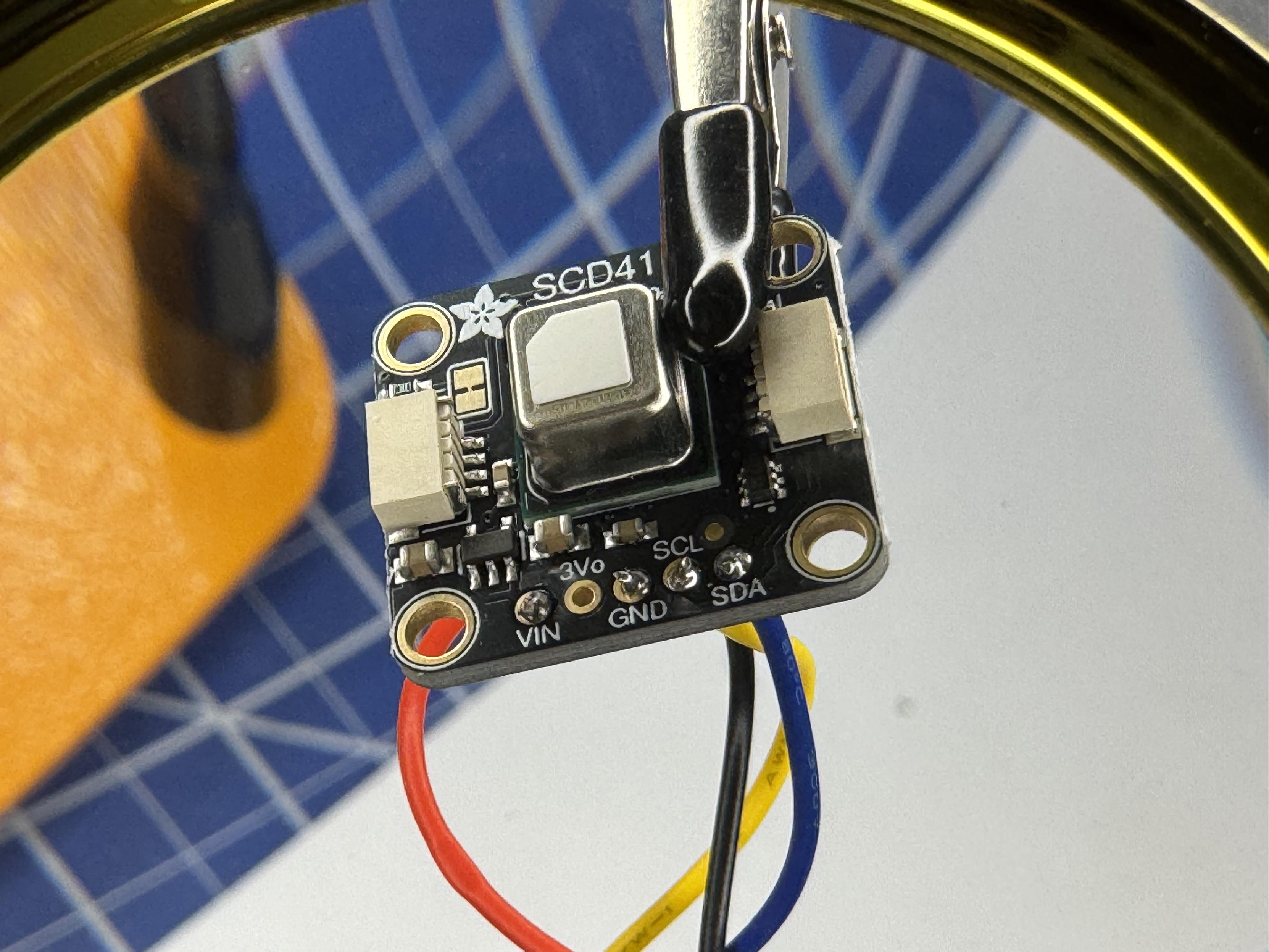
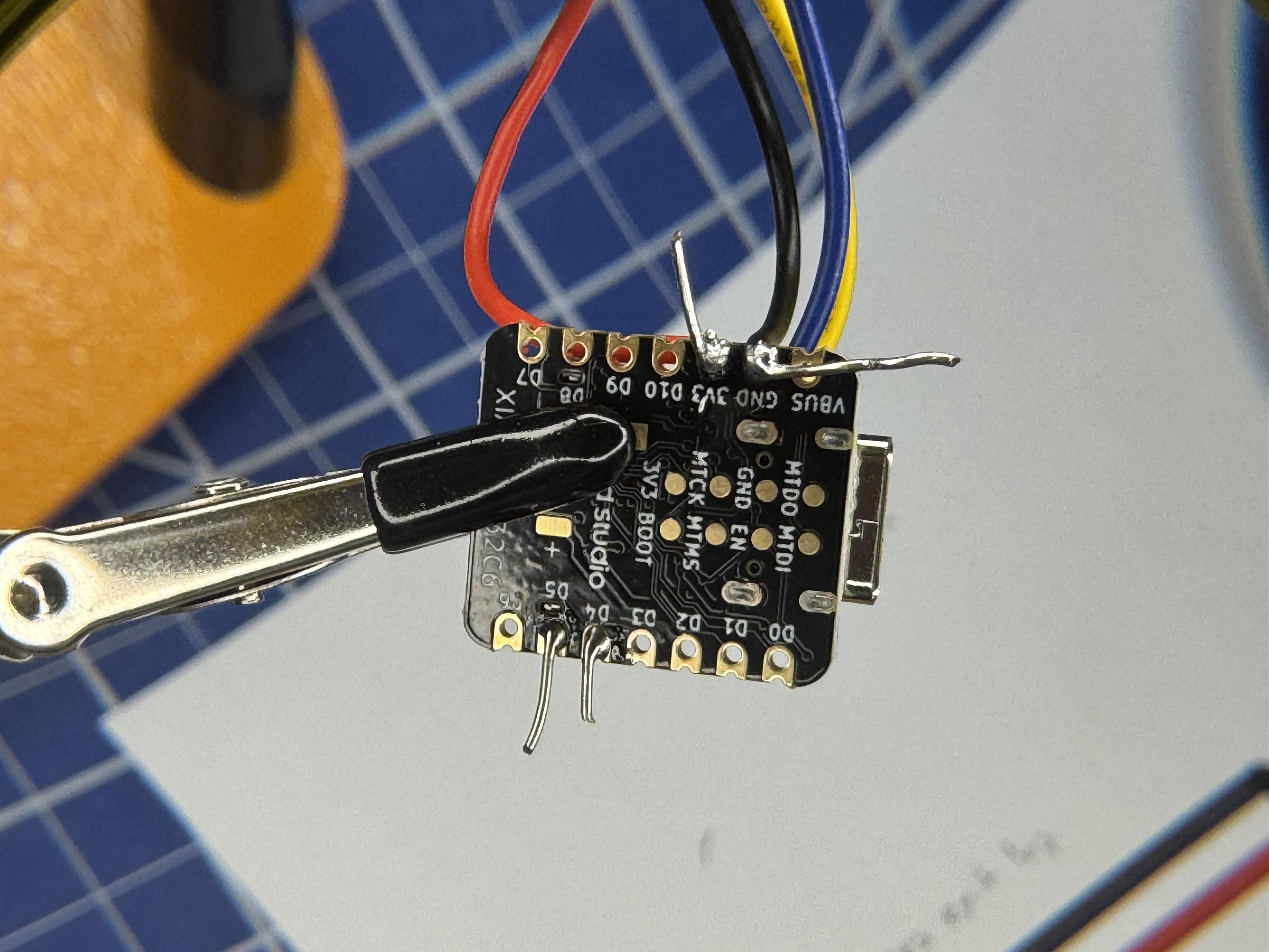
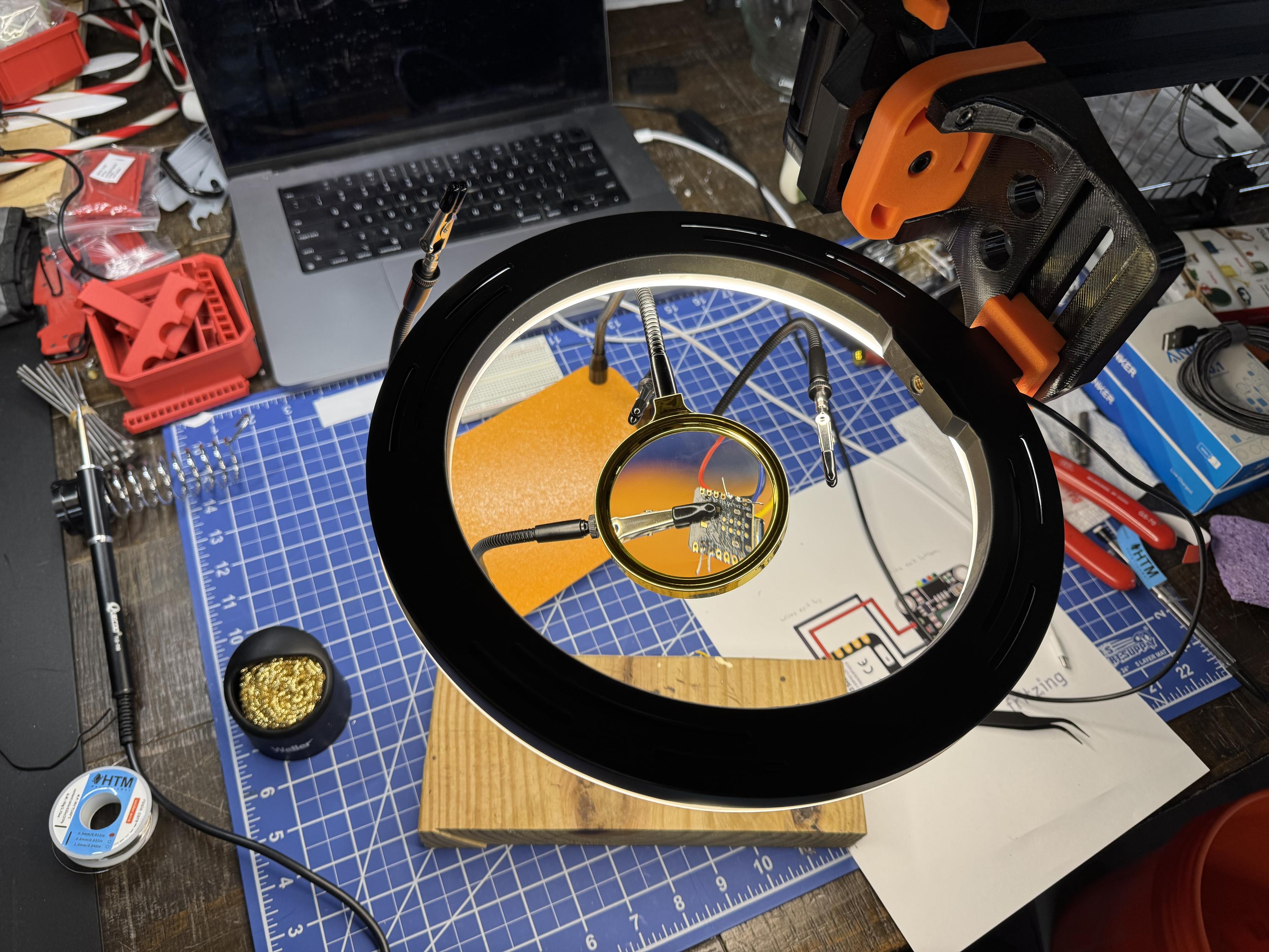
@masukomi - D4 on the ESP32 looks perfect, it should be your target. GND similarly. - the pins on the sensor feel like they could use a little bit more tin - 3V3 in the board could use a touch-up (no more tin, just touching what it's already there with the iron for it to shape and bond better) - I don't see any flux on your workspace, it makes things a lot easier
also, if you want to just practice, you can get some stripboards and some cheap components (capacitors, resistors, etc)
@masukomi oh this is literally your first time soldering?
then yes, you'd probably thank practicing with a stripboard, if anything just to get used to how the tin flows, or how to fix the different fuck-ups that always happen (too much tin, too little tin, too cold iron, etc)
@masukomi I have a liquid one that has a small "brush" in the lid (kinda like a nail polish bottle). you put it in the pieces you want to solder, in the spots to solder. it makes tin flow a lot smoother.
@masukomi oh btw another thing, although this is not really about the soldering part: from what I've read, soldering cables directly to PCBs makes for fragile joints. usually it's preferable to just solder headers to the PCBs and then connect them with jumper wires (plus that way you can swap parts easily)
@masukomi@kitten on the debugging front, the mistakes I make are typically daft things like poor connections or shorts (check with a multimeter, tho your photos look good). After that, maybe try a logic analyser? A cheap USB one should be about $30 or less and mine has cleared up many mysteries in its time.
@davecturner@kitten currently (🤞) hoping it’s not the soldering since i never got it working on the breadboard without soldering (2 different means) so I’m thinking either it may be the sensor board?
Gonna try soldering header pins and redo the breadboard experiment with one of the other two pairs and try to get it working that way.
Not sure what a logic analyzer is it how to use one but will investigate if this doesn’t work out.
@masukomi@kitten a logic analyser records a time series of voltages, like an multi-channel oscilloscope except that each channel is just a binary on/off value per sample rather than an absolute voltage (so it's simpler and cheaper to make). It's useful in this kind of situation because it can distinguish "source is not sending valid-looking data" from "destination is failing to receive valid-looking data from source" which sorta halves the problem space.