User avatar
masukomi @masukomi@connectified.com
1y
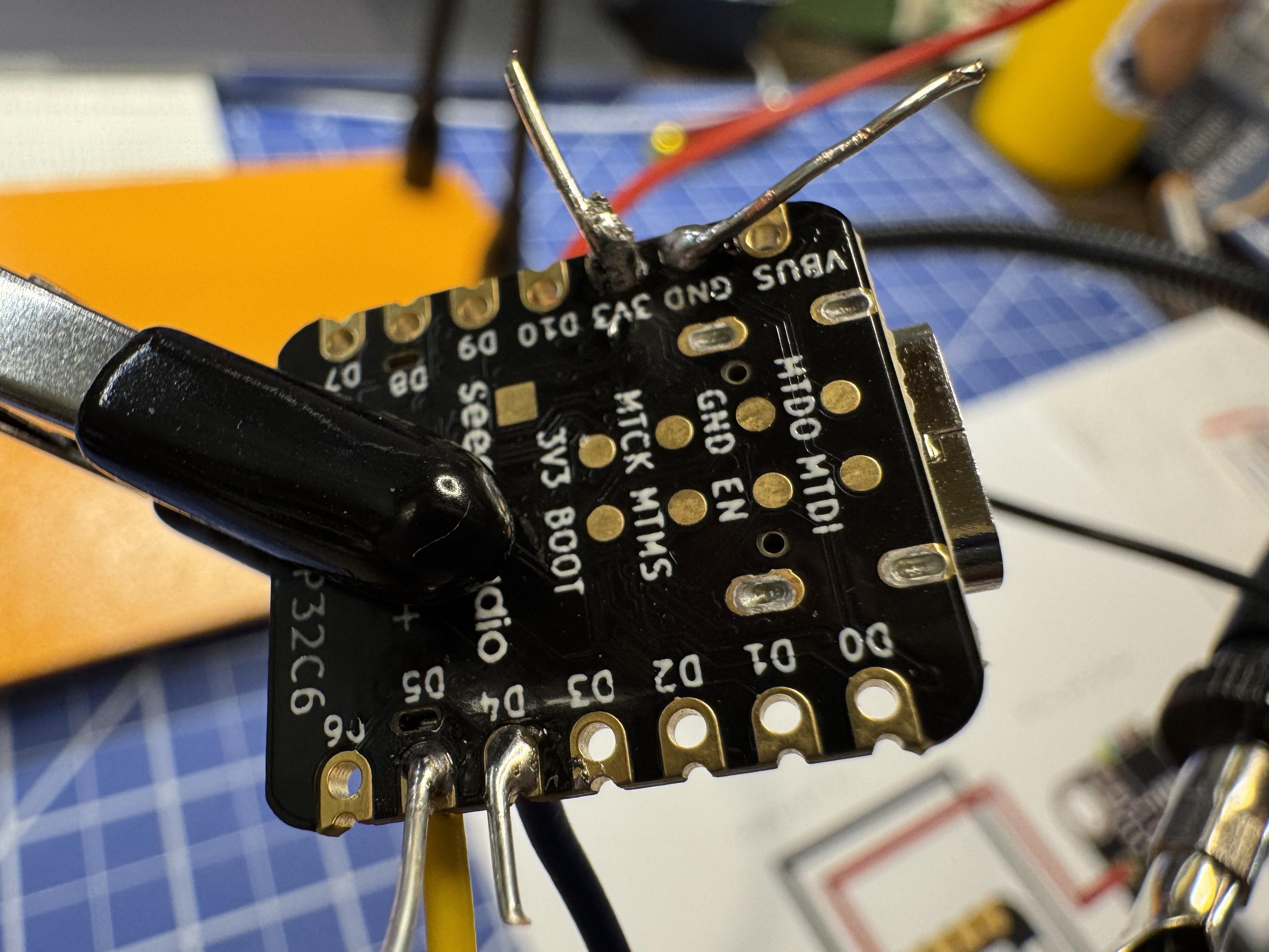
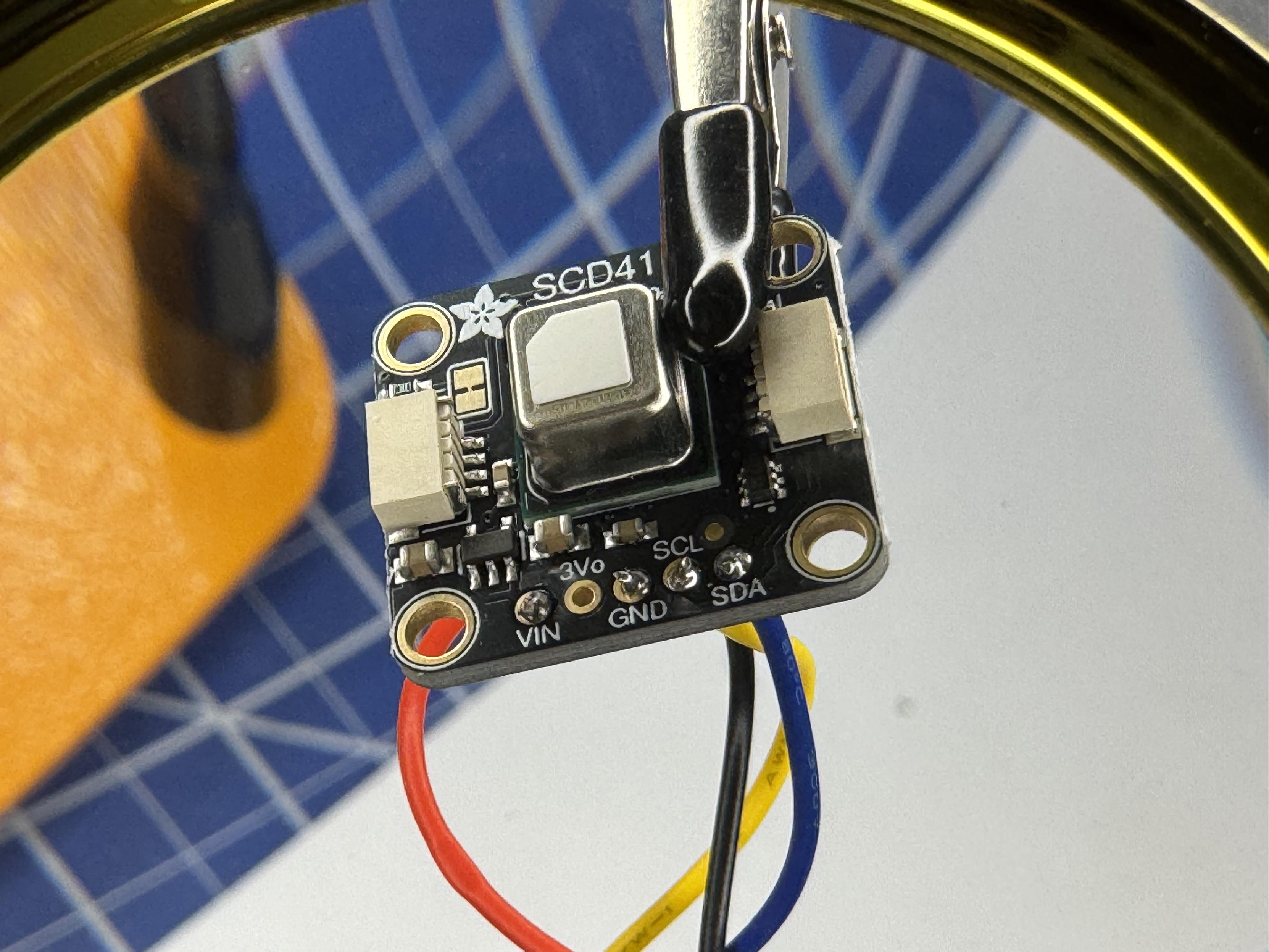
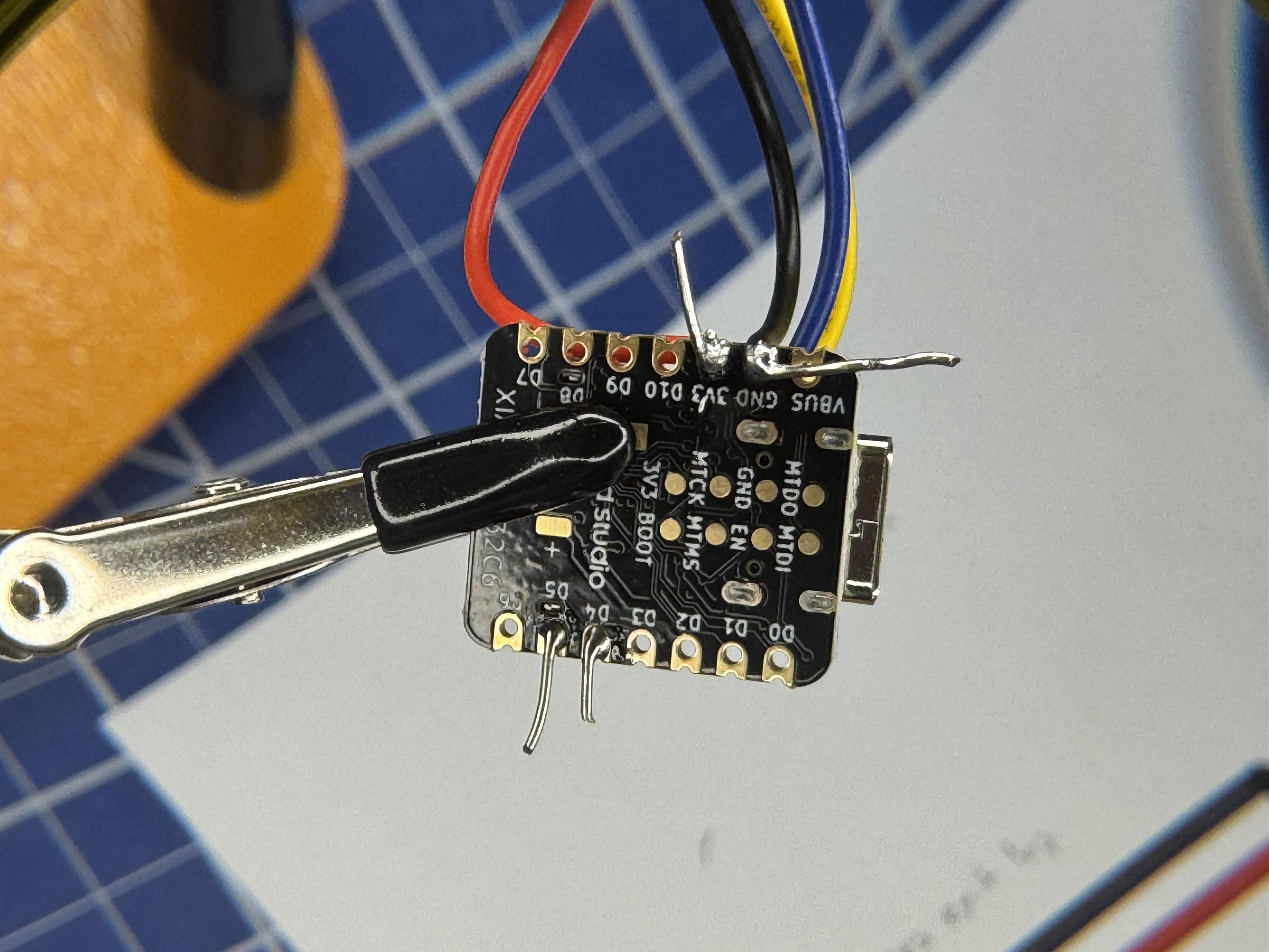
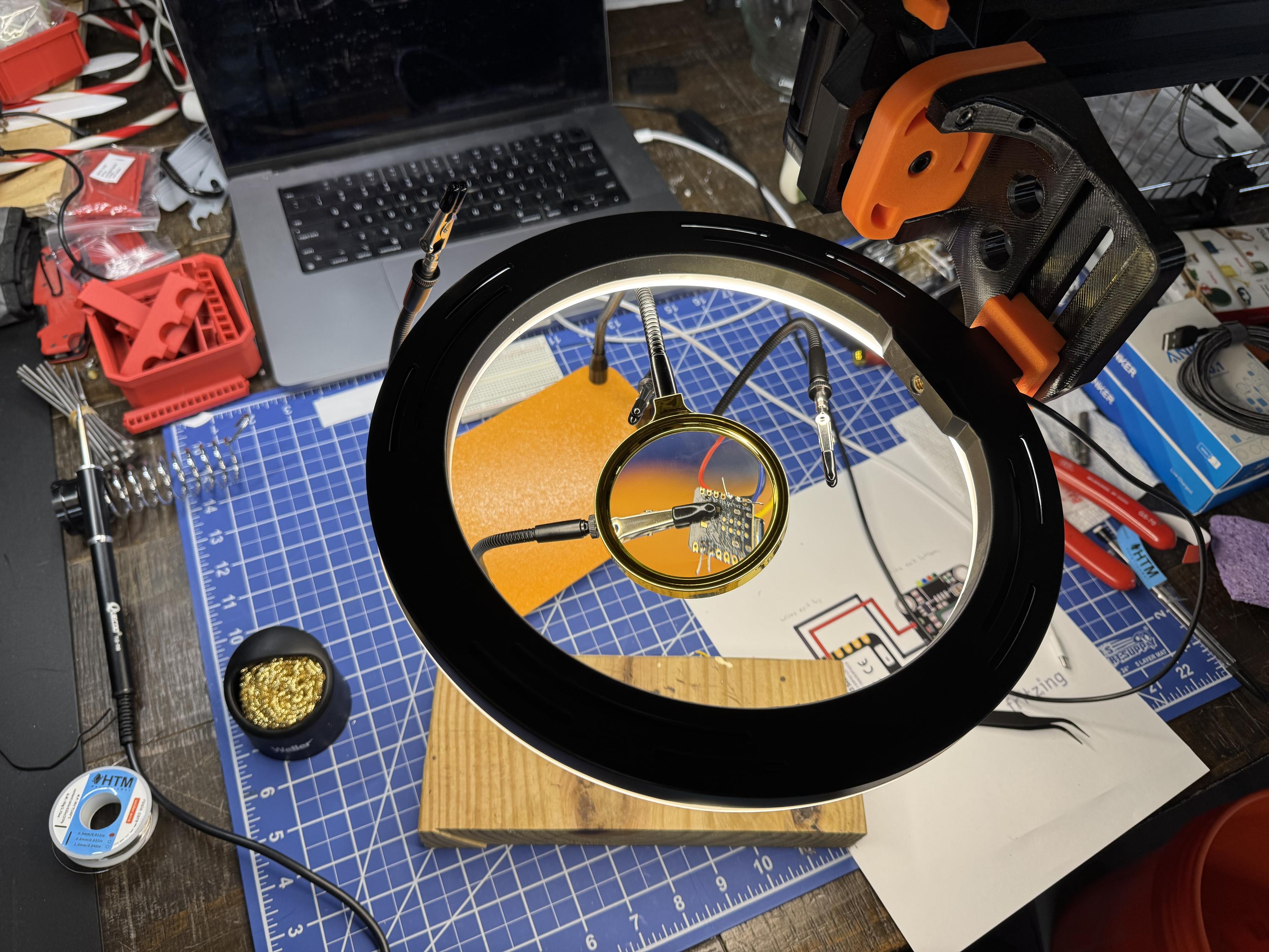
I’m going to call this well done for my first time soldering on tiny circuit boards.

It’s kind of funny how the first one is crap and they very visibly get better in the order I soldered them.

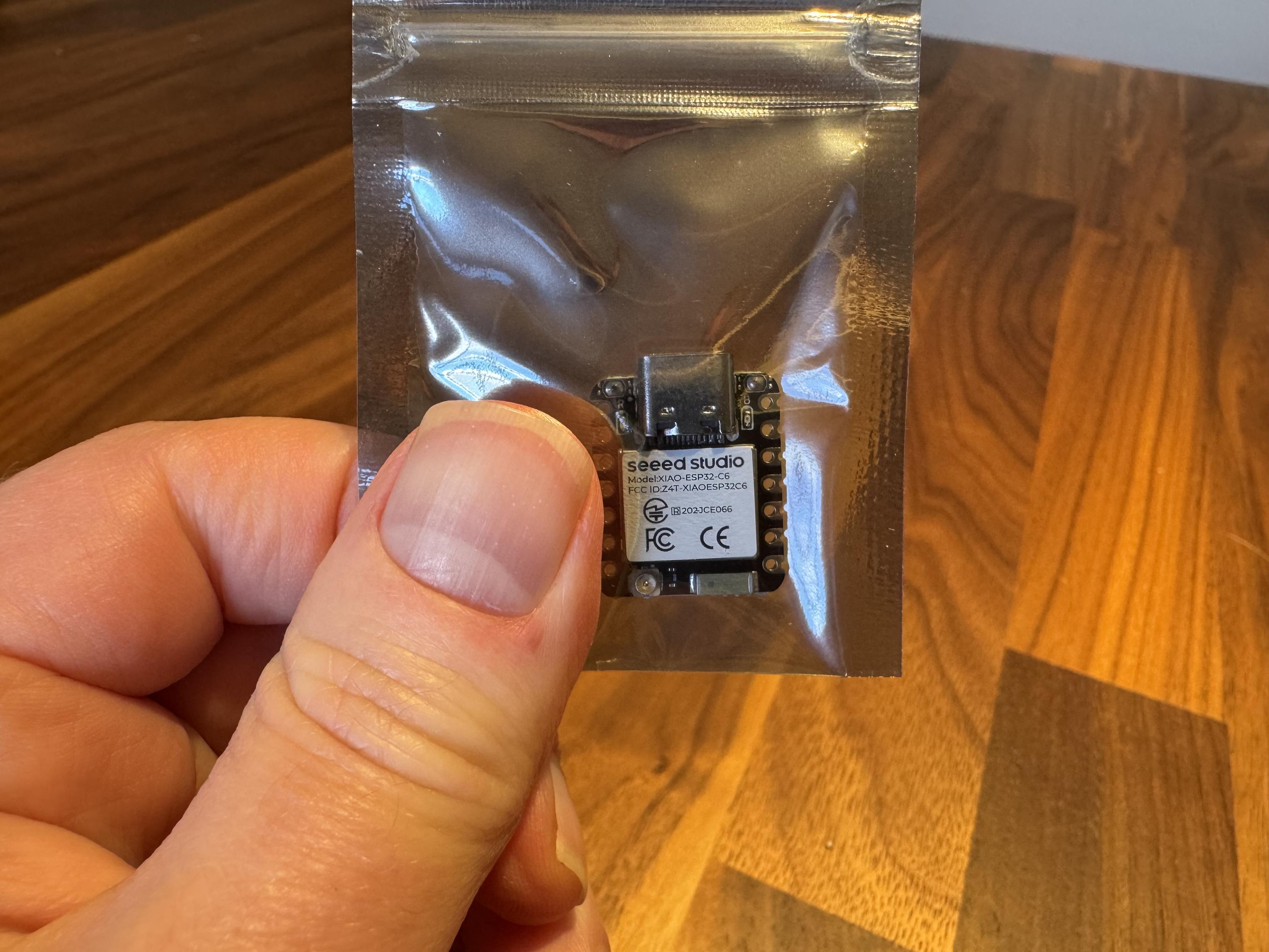
(Second photo for scale)
3
0
0
0
User avatar
masukomi @masukomi@connectified.com
1y
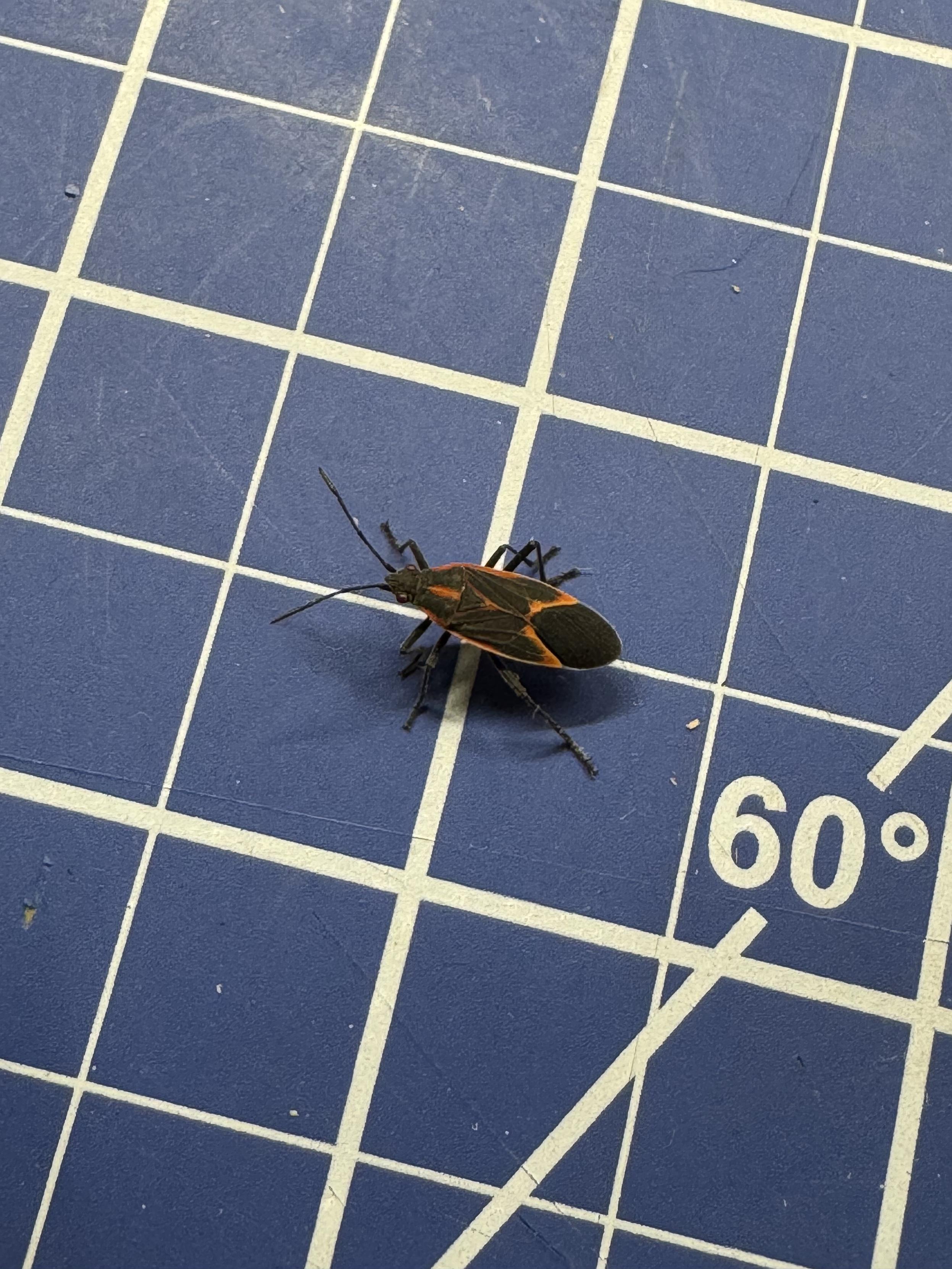
A Boxelder bug kept an eye on me to make sure i I wasn’t doing anything stupid while I soldered
1
0
0
0
User avatar
masukomi @masukomi@connectified.com
1y
It is successfully recognized by my computer! So I didn’t mess anything up too badly. Now I just have to attach the other circuit board.
1
0
0
0
User avatar
masukomi @masukomi@connectified.com
1y
Good news, bad news. Good news is I think I did a good job with the soldering. Bad news is that it is no longer recognized by the computer.

Maybe good news is that this happened when I was doing it on the breadboard too. I thought it was just poor connections plus inexperience.

I’m not really looking forward to to debugging this, because I have absolutely no clue how.
1
0
0
0
User avatar
pathetic piss kitten @kitten@elizabeth.cat
1y
@masukomi looks nice! do you want a couple tips?
1
0
1
0
User avatar
masukomi @masukomi@connectified.com
1y
@kitten hell yes. I have no clue what i’m doing.
2
0
0
0
User avatar
pathetic piss kitten @kitten@elizabeth.cat
1y
@masukomi
- D4 on the ESP32 looks perfect, it should be your target. GND similarly.
- the pins on the sensor feel like they could use a little bit more tin
- 3V3 in the board could use a touch-up (no more tin, just touching what it's already there with the iron for it to shape and bond better)
- I don't see any flux on your workspace, it makes things a lot easier

also, if you want to just practice, you can get some stripboards and some cheap components (capacitors, resistors, etc)
2
0
1
0

User avatar
masukomi @masukomi@connectified.com
1y
@kitten 🙇‍♀️thank you. Will apply suggestions. Don’t really know what to do with flux but i’m sure the web can tell me
1
0
0
0
User avatar
pathetic piss kitten @kitten@elizabeth.cat
1y
@masukomi I have a liquid one that has a small "brush" in the lid (kinda like a nail polish bottle). you put it in the pieces you want to solder, in the spots to solder. it makes tin flow a lot smoother.
1
0
1
0
User avatar
pathetic piss kitten @kitten@elizabeth.cat
1y
@masukomi (it also leaves a brown-ish burnt residue but it's not harmful to the electronics and goes away easily with IPA)
1
0
1
0
User avatar
pathetic piss kitten @kitten@elizabeth.cat
1y
@masukomi oh btw another thing, although this is not really about the soldering part: from what I've read, soldering cables directly to PCBs makes for fragile joints. usually it's preferable to just solder headers to the PCBs and then connect them with jumper wires (plus that way you can swap parts easily)
0
0
1
0
User avatar
pathetic piss kitten @kitten@elizabeth.cat
1y
@masukomi oh this is literally your first time soldering?

then yes, you'd probably thank practicing with a stripboard, if anything just to get used to how the tin flows, or how to fix the different fuck-ups that always happen (too much tin, too little tin, too cold iron, etc)
1
0
0
0
User avatar
masukomi @masukomi@connectified.com
1y
@kitten yes. Well first time soldering anything on a board. And the last time was something totally imprecise decades ago.

I
really have no idea what i’m doing. Just stumbling through a “simple” project.
0
0
1
0